





How to Choose a Safe and Reliable Crypto Casino in the UK (2026 Guide): Licensing, Bitcoin Payouts, and Responsible Gambling Tips

I've spent a fair bit of time over the past couple of years testing crypto casinos, and honestly? The landscape has changed dramatically heading into 2026. More UK players are turning to Bitcoin and other digital currencies for online gaming, and the market's gotten crowded fast — crowded with solid operators, sure, but also with sites that frankly shouldn't be trusted with your wallet address. This guide pulls together what I've actually learned about picking a platform that's genuinely safe. Not just one with a flashy homepage and a slick loading animation.
What Is a Crypto Casino and Why It's Gaining Popularity in the UK
A crypto casino is, at its core, an online gambling platform that accepts cryptocurrencies — Bitcoin, Ethereum, USDT, and others — for deposits, gameplay, and withdrawals. Instead of linking a debit card or bank account, you connect a crypto wallet and transact using blockchain technology. Sounds simple. In a lot of ways, it is. But the appeal runs deeper than just convenience.
UK players have gravitated toward these platforms for a handful of reasons that, once you've tried it, make total sense. Transactions settle faster than traditional bank transfers. There's an added layer of privacy, since you're not handing over your full banking details. And a lot of crypto casinos give access to games and providers that just don't show up on standard UK-facing fiat sites. I've noticed something, too: players who are sick of waiting three to five business days for a withdrawal? They're usually the first ones to make the switch.
How Crypto Casinos Differ from Traditional Online Casinos
The biggest difference comes down to the payment rail itself. Traditional casinos lean on card processors, e-wallets like PayPal, or bank transfers — all of which involve middlemen and processing delays. Crypto casinos skip that middleman entirely. Transactions move peer-to-peer on the blockchain, so confirmations can land within minutes instead of days.
There's also the anonymity angle, though I'd push back a little on that word. Most reputable UK-facing crypto casinos still require identity verification (KYC) to stay compliant with anti-money laundering rules — so 'anonymous' isn't quite the right word for it. What you do get is less exposure of your financial details to the casino itself, since there's no card number changing hands. Global accessibility is another perk worth mentioning: cryptocurrency doesn't really care about borders the way traditional banking does, which opens the door to a wider pool of game providers and jackpots.
Licensing and Regulation: The Foundation of Safety
If there's one thing I'd tell every reader before anything else, it's this: check the license before you check the bonus. Licensing is what separates a legitimate business from a glorified website that could vanish overnight with your funds sitting in it. A proper regulatory body enforces fair game outcomes, mandates segregated player funds, and gives you somewhere to go if a dispute pops up.
Without a license, you're basically trusting a stranger on the internet with your money and your personal data. I've read horror stories on forums — unlicensed sites that simply stopped responding to withdrawal requests, no explanation, nothing. That's the risk you're taking on the moment licensing isn't verified first.
UK Gambling Commission vs Offshore Licenses
The UK Gambling Commission (UKGC) is the gold standard for players based in Britain. Sites licensed here have to stick to strict rules around fund protection, advertising standards, and responsible gambling measures. The catch? Very few crypto-native casinos hold a full UKGC license, mainly because cryptocurrency transactions sit in a bit of a grey area under current UK gambling law.
That's why so many UK players end up using platforms licensed in Curacao or Malta instead. These jurisdictions tend to be more crypto-friendly, but player protection varies — sometimes quite a bit — between them. Malta Gaming Authority licenses generally carry more weight and stricter audits than older-style Curacao licenses, though to be fair, Curacao has been tightening its framework lately too. My advice, every single time: check the license number against the regulator's public database. Don't just trust a badge image sitting on the homepage, because those can be faked, or just plain outdated.
Evaluating Bitcoin Payouts and Payment Security
Once licensing checks out, payment reliability is the next thing I look at. A casino can be perfectly legitimate and still run clunky, slow, or poorly secured crypto payment infrastructure. You want clear information on which wallets are supported, how transaction confirmations work, and what network fees you'll actually pay.
Good platforms are upfront about confirmation requirements — typically one to three blockchain confirmations for Bitcoin withdrawals — and they don't bury fee structures somewhere in the fine print. I always test with a small deposit first before committing anything bigger. Just to see how the system actually behaves, not how it's described in marketing copy.
Withdrawal Speed and Transaction Transparency
This is where a lot of operators either earn my trust or lose it fast. Reliable crypto casinos process withdrawals quickly — often within minutes to a couple of hours — and let you track the transaction on the blockchain yourself. If a site stays vague about withdrawal timelines, slaps on unusually low withdrawal caps, or hits you with surprise fees right at the last step... that's a red flag worth taking seriously.
Transparent operators publish their withdrawal policies clearly, including whatever verification steps are needed before a payout gets released. No hidden fees, visible blockchain confirmations — that combination tells you the operator's got nothing to hide.
Key Features of a Trustworthy Crypto Casino
Beyond licensing and payments, there's a short list of trust signals I always check before registering anywhere. Provably fair gaming is probably the most important one — it's a cryptographic method that lets players verify game outcomes weren't rigged. SSL encryption should run across the entire site, not just the login page (you'd be surprised how many sites get this wrong). Third-party audits from firms like eCOGRA or iTech Labs add another layer of credibility on top.
- Provably fair game mechanics with public verification tools
- SSL encryption across all pages, not just checkout
- Independent audits of random number generators
- Responsive, genuinely helpful customer support available around the clock
- Clear, readable terms and conditions without buried clauses
When I'm doing this kind of due diligence, I often use a well-established crypto casino as a benchmark for what proper transparency actually looks like — comparing license details, payout speed, and audit information against newer or lesser-known platforms helps spot inconsistencies pretty quickly.
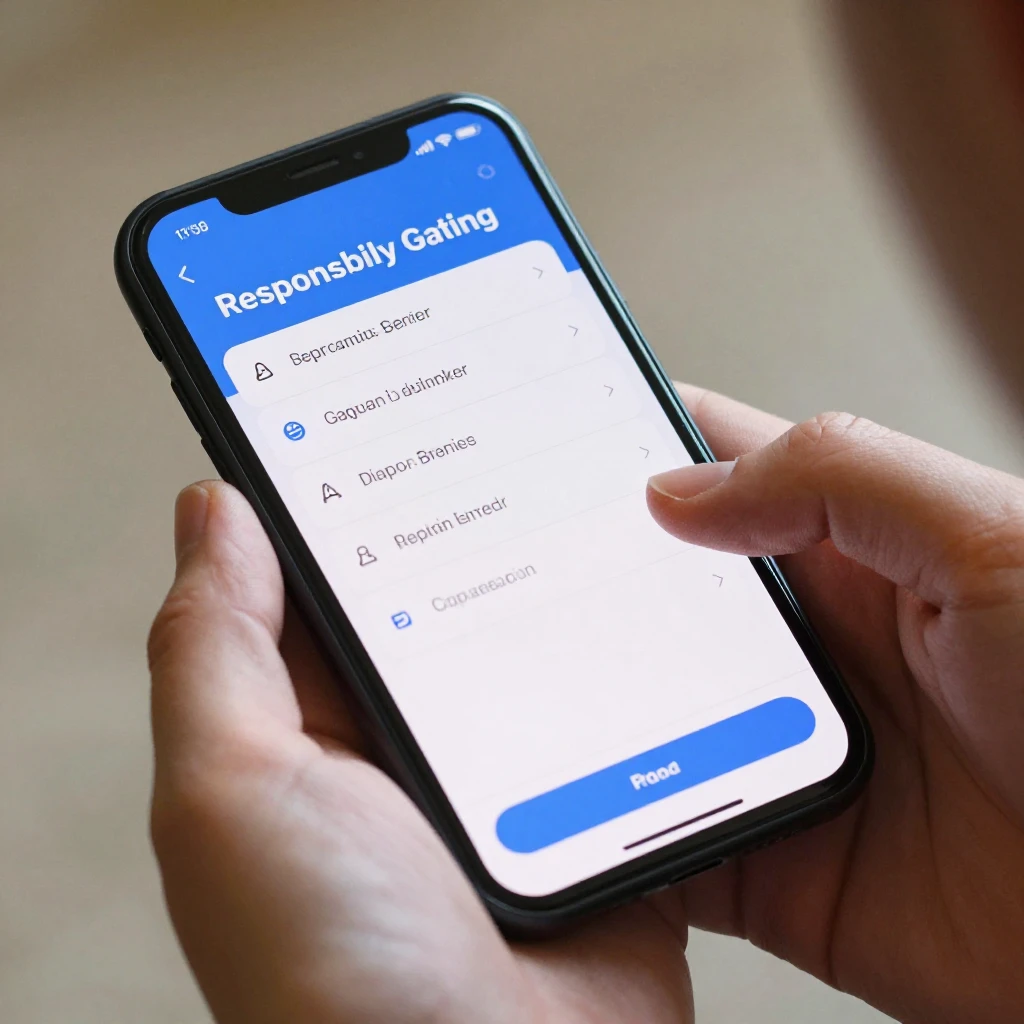
Responsible Gambling Tools and Practices
Here's something that gets overlooked way too often in the crypto gambling conversation: the speed that makes crypto casinos appealing can also make overspending a lot easier. When a deposit clears in minutes instead of days, there's less of a natural pause to reconsider what you're actually doing. Which is exactly why responsible gambling tools matter more in this space, not less.
Reputable platforms build in safeguards regardless of payment method — deposit caps, loss limits, and reality checks that pop up during long sessions. If a casino skips all of these tools entirely? I don't treat that as a minor inconvenience. I treat it as a warning sign.
Setting Limits and Using Self-Exclusion Programs
Practical safeguards I'd recommend setting up from day one: deposit limits, loss limits, and session timers that log you out after a set period. These usually live in account settings and take maybe a couple of minutes to configure. Worth doing before you ever need them.
For UK players specifically, GAMSTOP remains the national self-exclusion scheme. Its integration with crypto casinos licensed outside the UK can be inconsistent, sure, but many reputable operators now honour self-exclusion requests voluntarily, or offer their own equivalent cooling-off periods. Organisations like GamCare and the National Gambling Helpline are also worth bookmarking before you ever need them. Not after.
Common Mistakes to Avoid When Choosing a Crypto Casino
Over the years, I've made a few of these mistakes myself — so take this as hard-earned advice rather than a lecture. The most common pitfall? Skipping license verification entirely because the site looks polished. Design quality has nothing to do with regulatory legitimacy. Nothing.
- Chasing bonuses blindly: Always read wagering requirements before claiming a welcome offer; some carry 50x+ turnover conditions that make withdrawals nearly impossible.
- Using unsecured wallets: Stick to hardware wallets or reputable software wallets with two-factor authentication rather than exchange-linked accounts you rarely monitor.
- Ignoring withdrawal limits: Check daily and monthly caps before depositing large sums, especially if you're planning bigger wins.
- Skipping the terms and conditions: Hidden clauses around dormant accounts or currency conversion fees can catch you off guard later.
The fix for all of these, really, is just slowing down before you deposit. A ten-minute read of the terms page has saved me more than once — more than I'd like to admit, actually.
Frequently Asked Questions (FAQ)
Is crypto gambling legal in the UK? Yes — UK residents can legally gamble using cryptocurrency, though the regulatory framework around crypto-specific casinos is still evolving. Most UK players use offshore-licensed platforms that accept crypto, so checking that license remains essential.
How do I verify a casino's license? Look up the license number directly on the regulator's official website — whether that's the UKGC, Malta Gaming Authority, or Curacao eGaming — rather than trusting the badge displayed on the casino's own site.
Are Bitcoin payouts taxable? Gambling winnings generally aren't taxed for UK players, but converting crypto winnings to fiat or other assets can trigger capital gains considerations depending on how the value has shifted. Worth a quick chat with a tax advisor for specifics.
What happens if a crypto casino disappears? This is exactly why licensing matters so much. Licensed operators answer to regulatory oversight and dispute resolution processes. Unlicensed sites? No recourse at all if they shut down or withhold funds.
Choosing a safe crypto casino in 2026 really comes down to three pillars: verified licensing, transparent and fast Bitcoin payouts, and genuine responsible gambling tools. Skip any one of these and you're taking on risk you didn't need to take, no matter how attractive the bonuses look on paper. Take your time, do the actual research, and treat due diligence as part of the fun rather than some obstacle standing in front of it.


